Source Chocolate Mini Cup Sandwich for Kids, Adults, Seniors
Explore 30 verified listings for chocolate mini cup sandwich options suitable for children, adults, and seniors. Buyers can compare specifications, packaging types, and certifications from multiple Chinese manufacturers to find the best fit for their needs; compare the available evidence and request quotations based on your requirements.
Key considerations
Products List




Comprehensive Sourcing Guide
Chocolate Mini Cup Sandwich Sourcing Guide
Sourcing chocolate mini cup sandwiches requires a strategic approach to balancing flavor profile, structural integrity, and regulatory compliance. These confectionery items typically consist of a crisp biscuit or wafer base topped with a molded chocolate shell, often featuring a creamy or crunchy filling. Buyers must distinguish between solid chocolate cups and those with sandwiched biscuit layers, as the manufacturing processes and shelf-life characteristics differ significantly. Understanding the specific product type is the first step in defining technical requirements and ensuring the final product meets consumer expectations for texture and taste.
The global market for these treats is diverse, with manufacturers in China offering a wide range of models and packaging options. Key product attributes observed in current listings include various certifications such as BRC, FDA, HACCP, and ISO, which are critical for international trade. Additionally, customization options are widely available, allowing buyers to tailor packaging, branding, and even product formulations to their specific market needs. This flexibility makes it essential for procurement teams to clearly communicate their requirements early in the sourcing process to avoid misunderstandings and ensure the supplier can deliver the exact specifications required.
Product Scope and Observed Listing Signals
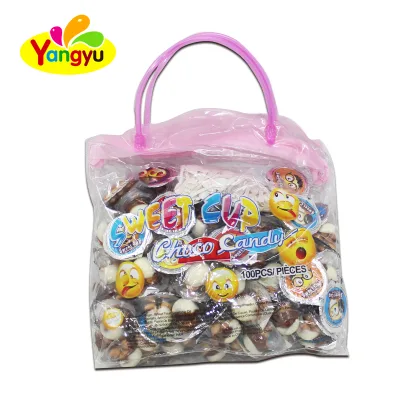
The product scope for chocolate mini cup sandwiches encompasses a variety of forms, including solid cups, biscuit-based cups, and multi-layered sandwiches. Observed listings indicate models such as TF10004 and YX-CHO00790, which may represent different production lines or product variants. The content descriptions range from "Mini Chocolate Cup" to "Goblet Chocolate Cup" and "Mini Cup Crispy Chocolate Biscuits," highlighting the diversity in shape and composition. Buyers should carefully review these descriptions to ensure the product matches their intended use, whether for direct consumption, retail packaging, or promotional giveaways.
Packaging and storage requirements are also significant signals in product listings. Common packaging materials include plastic bags, cartons, and bottles, with specific standards like "300G X24BAGS" or "2g*180pc12jars" indicating bulk or retail-ready configurations. The shelf life is typically listed as greater than 12 months or up to 24 months, suggesting stable formulations that can withstand standard logistics conditions. Storage methods are generally noted as normal or room temperature, though some products may benefit from refrigeration. These details help buyers plan their supply chain and inventory management strategies effectively.
Technical Specifications to Verify
Technical verification begins with confirming the product model and standard specifications. Models like CH-BC152 and CH-BC165 suggest distinct product lines with specific weight and quantity configurations, such as "14g60pcs10jars/ctn" or "16g24pcs12boxes/ctn." Buyers must verify these standards to ensure they align with their packaging and distribution needs. The weight per carton, observed at values like 9.4 Kgs or 8.3 Kgs, is crucial for calculating freight costs and warehouse space requirements. Accurate specification verification prevents discrepancies in order fulfillment and ensures consistency across batches.
Form and content details are equally important for quality assurance. Products are described as solid or containing mini biscuits, with colors ranging from standard chocolate hues to multi-colored options. The instruction for use is typically straightforward, involving opening the package and eating directly, which implies a ready-to-eat format. Buyers should verify the exact composition of the chocolate and biscuit layers, including any fillings or coatings, to ensure they meet dietary preferences and allergen requirements. Confirming these technical details with the supplier before placing orders is essential to avoid receiving products that do not match the agreed-upon specifications.
Compliance and Safety Documentation
Compliance with international food safety standards is non-negotiable for chocolate mini cup sandwiches. Listings frequently mention certifications such as BRC, FDA, HACCP, ISO, and Halal, which are vital for accessing global markets. Buyers must request valid certificates from the supplier and verify their authenticity through the respective certification bodies. These certifications indicate that the manufacturer adheres to rigorous quality control and safety protocols, reducing the risk of contamination and ensuring product integrity. Maintaining up-to-date compliance documentation is essential for smooth customs clearance and market entry.
In addition to certifications, buyers should verify the origin of the products, with many listings indicating origins in China, specifically in regions like Shantou and Guangdong. Understanding the manufacturing location can provide insights into the supply chain dynamics and potential logistical advantages. Buyers should also check for any specific regulatory requirements in their target markets, such as labeling laws or ingredient restrictions. Ensuring that the supplier can provide all necessary documentation, including ingredient lists and nutritional information, is crucial for maintaining compliance and building consumer trust.
Cost Drivers and Commercial Terms
Cost drivers for chocolate mini cup sandwiches include raw material prices, packaging complexity, and order volume. The observed price range of 0-114200 USD suggests significant variation based on product type, quantity, and customization level. Buyers should negotiate based on clear volume tiers, as larger orders often benefit from economies of scale. The minimum order quantity (MOQ) ranges from 1 to 200000 units, offering flexibility for both small-scale testers and large-scale distributors. Understanding these cost dynamics helps buyers optimize their procurement strategy and achieve better pricing.
Commercial terms such as payment methods, lead times, and shipping conditions also impact the total cost of ownership. Buyers should clarify these terms early in the negotiation process to avoid hidden costs or delays. The observed 40HQ container capacity of 1482 units for certain products provides a benchmark for logistics planning. Buyers should also consider the impact of currency fluctuations and import duties on the final landed cost. Establishing clear commercial terms and maintaining open communication with the supplier can help mitigate risks and ensure a smooth transaction process.
Supplier Qualification and Quality Control
Supplier qualification is a critical step in ensuring the reliability and consistency of chocolate mini cup sandwich supplies. Buyers should conduct thorough due diligence, including site visits or third-party audits, to verify the manufacturer's production capabilities and quality management systems. The availability of OEM services indicates that suppliers are willing to customize products, but buyers must ensure that the supplier has the technical expertise to maintain quality during customization. Establishing a strong relationship with a qualified supplier is key to long-term success.
Quality control measures should be clearly defined and agreed upon before production begins. Buyers should specify inspection criteria, such as visual appearance, weight tolerance, and packaging integrity, and request pre-shipment inspections. The observed shelf life of over 12 months suggests stable products, but buyers should still verify batch-to-batch consistency. Implementing a robust quality control plan, including regular sampling and testing, helps identify and address potential issues early. This proactive approach minimizes the risk of receiving defective products and protects the buyer's brand reputation.
Long-Term Procurement Checks
Long-term procurement success requires continuous monitoring and evaluation of supplier performance. Buyers should establish key performance indicators (KPIs) such as on-time delivery, product quality, and responsiveness to issues. Regular reviews of these metrics help identify areas for improvement and ensure that the supplier remains aligned with the buyer's expectations. Building a collaborative partnership with the supplier can lead to better innovation and cost-saving opportunities over time. Continuous engagement fosters trust and reliability in the supply chain.
Additionally, buyers should stay informed about market trends and regulatory changes that may impact the chocolate mini cup sandwich category. This includes monitoring shifts in consumer preferences, such as demand for healthier or allergen-free options, and adapting sourcing strategies accordingly. Regularly updating compliance documentation and verifying supplier certifications are essential to maintain market access. By proactively managing these long-term factors, buyers can ensure a resilient and competitive supply chain that supports their business growth and customer satisfaction.
FAQs
What certifications do chocolate mini cup sandwich products hold?
These products hold BRC, FDA, HACCP, ISO, and Halal certifications. Multiple listings confirm compliance with these standards to ensure safety and quality for international buyers seeking reliable chocolate biscuit or candy sources.
How long is the shelf life of these chocolate mini cup sandwiches?
The shelf life ranges from over 12 months to 24 months depending on the specific model. Buyers should store items at room temperature or in a refrigerator to maintain freshness and quality throughout the valid period.
Can I customize the packaging for chocolate mini cup sandwich orders?
Yes, customization is available for packaging and product specifications. Buyers can select from options like cartons, bottles, or boxes, with specific standards such as 300g per 24 bags or 14g per 60 pieces per carton.
Which packaging materials are used for chocolate mini cup sandwiches?
Packaging materials include plastic, soft plastic, bags, bottles, and cartons. The specific material depends on the product model, such as soft plastic for goblet cups or cartons for mini crispy chocolate biscuits.
What is the origin location for these chocolate mini cup sandwich products?
Products originate from China, specifically from regions like Shantou and Guangdong. These locations serve as the primary manufacturing hubs for various models including the w06 and TF10004 series.
How many units are required for the minimum order quantity?
The minimum order quantity ranges from 1 to 200,000 units depending on the supplier and product type. Buyers should check specific listings for exact MOQ values to align with their procurement needs.
What forms do chocolate mini cup sandwich products come in?
Products are available in solid forms such as biscuits, candies, and chocolate cups. Variants include racing car shapes, goblet cups, and mini crispy chocolate biscuits designed for adults, children, and the elderly.